This autumn, our poet-in-residence at Middlesbrough Institute of Modern Art is Sarah Crutwell. This is our fourth residency at MIMA, and it was the hardest yet to between talented and passionate applicants. With a brief to respond to the Towards New Worlds exhibition of art by disabled and neurodiverse visual artists, it was clear that our chosen poet should have lived experience of these issues too. We experienced amazing poetry and fantastic concepts, but Sarah’s raw, revealing, unconventional application was the eye-opener – here she shares some of that application essay…
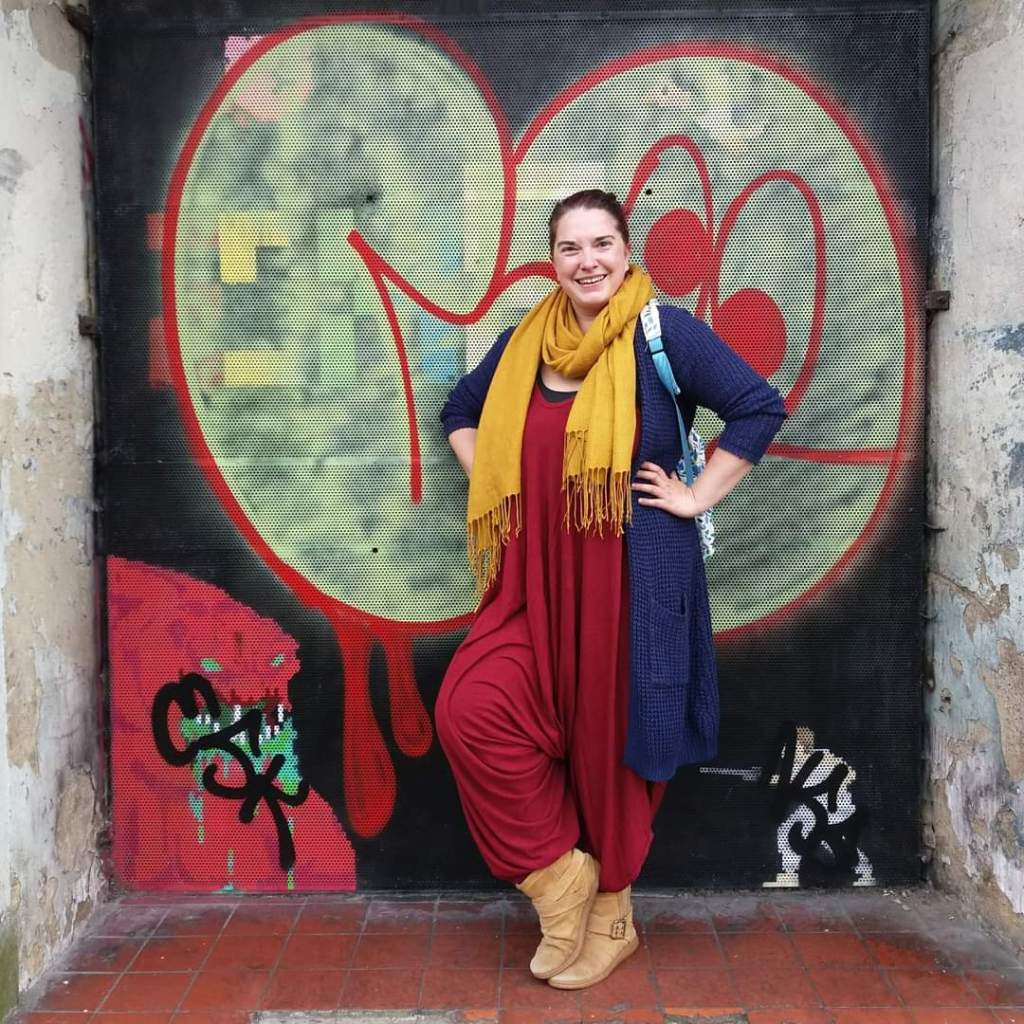
Disabled artist, chronically ill activist, hormone rollercoaster-rider, audha diagnosis pending, complex PTSD.
Step one – visit the exhibition before applying.
This week my spoons are limited and rusty. In a flare-up-bad-patch-struggle-to-leave-house-panic-patch.
Right now, a large public building with bright lights and noise and unpredictable things feels
Spikey in my body.
It’s not always like this, some days I could spend hours zoned into someone else’s creation, merge in my own imagination and lose hours daydreaming an inner collaboration.
But not now. For now I go to Mima website, click through 5 pictures of the exhibition.
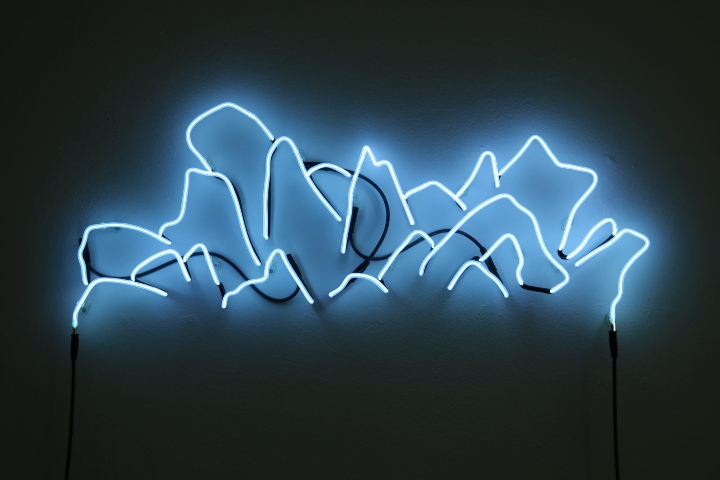
To me, the tubes are adhd mess piles, headphones, tobacco pouch and paraphernalia, random memos, Todo lists and half done jobs jutting off the table.
After a two hour Google spiral of the previous works of the artists, I find “the sick bed” by Leah Clements, and cry at its familiarity. remembering the smell of my unwashed sheets, and the lavender spray I had too much faith in.
I know many amazing disabled artists, and truly accessible work is hard to find, harder to find at a time your body and brain are able to handle it.
This feels like a sad application form, but it’s the most truthful one I’ve ever had the pleasure to write.
Step… I already lost count/forgot the steps existed.
What could I deliver?
Right now, the forward planning part of my brain is throwing a strop, so I’m finding it hard to say what I may do. Instead I’ll tell you what excites me
– Visibility for disabled people and their passions, the less palatable side of this as well as the celebrated.
– Spoken word poetry and storytelling, writing in response to other peoples creations.
– Holding space for honest conversations. Recording voices, making soundscapes and delicious wordy collages. Audio snippets of feeling and frustrations.
– Writing from my own experience of being disabled, neurodiverse, feminist and queer. And finding out from peers how they navigate an often ableist and elitist landscape.
– Intersectional feminism and joyful inclusion.
– And, during all the mad creation and imagination, standing back and working out how to make this “thing” not just accessible to a huge range of different access needs, but enjoyable, engaging, and FUN!
Thank you for reading my unconventional application, and thank you for allowing the accessible creative freedom for me to write it.
Extra notes …
I HATE applying for Jobs and any paperwork in general. The questions never make sense to me, the process is often overwhelming and confusing, and having to state my access needs to strangers makes me feel like I’m asking too much or making a fuss over nothing.
BUT I also spent a lot of years doing work which made me really ill, a lot of us do. We shut up and put up and stomach the struggle. I won’t do it anymore.
I will ask for what I need in order to do my job without further harming my health.
So writing this application form was a form of therapy in itself. Unconventional, honest and no masking!
There’s so much in the exhibition which I can’t wait to get my teeth stuck into, and I’m genuinely excited to see what comes out of it!
If you visit the exhibition, and have something to say about it, I’d love to hear from you! Please send your thoughts either typed or audio recorded to me here.
Sarah Crutwell is a disabled poet, spoken word performer, podcaster, and workshop facilitator based on the northeast coast. She is mostly found in pyjamas, or clothes which look suspiciously like pyjamas. Her work explores insertional feminism, neurodiversity, mental health,. accessibility and “the things we lower our voices to talk about”. She is a proud member of the Tees Women Poets, and co-hosts their podcast Growing Up a girl, which asks what it’s like to be, and to raise women and girls in Hartlepool (season 1) and Redcar (season 2).
 Tees Women Poets